


Accessibility: an advantage for business too
Making services and information accessible to the largest number of people a strategic priority.
It is essential to consider the needs of every user and ensure their rights. For this reason, we have organized a master in "User Experience for Inclusive Design", in collaboration with ISTUD and the Politecnico di Torino, and we are integrating accessibility at every stage of the design process.
The potential of an accessible web
About 20% of the European population (87 million people) lives with some form of disability. A statistic that highlights a truth often ignored: an accessible web is a necessary web.
From 2025, with the entry into force of the Accessibility Act, companies and organizations will need to ensure their websites comply with accessibility requirements.
A SEMrush and BuiltWith study, conducted on 847 sites, found that over 70% experienced increased traffic after adopting accessible solutions - and more than 7% saw organic traffic grow by over 50%.
That’s why an accessible web is not just an obligation, but also a competitive advantage.
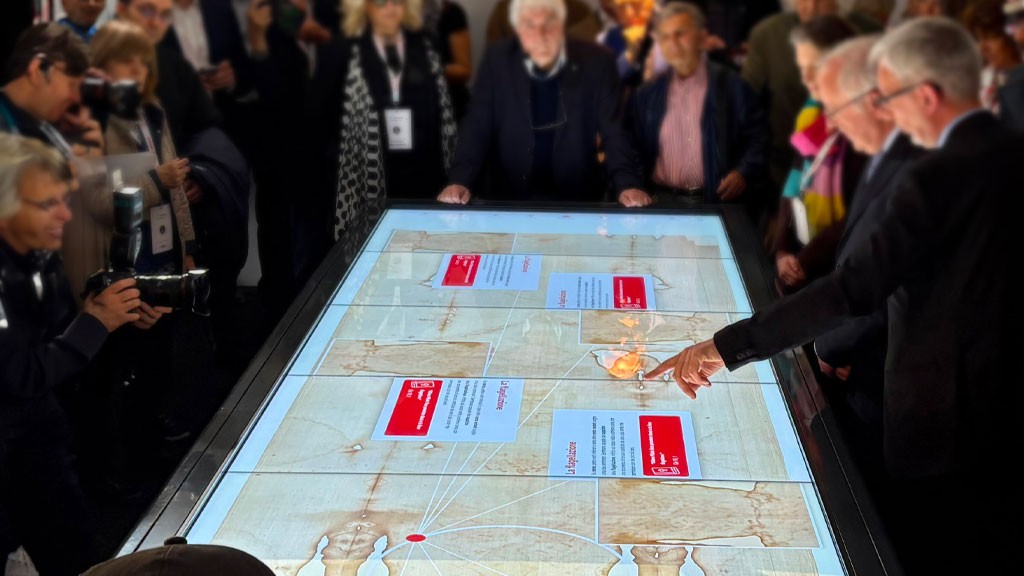

Guidelines for accessible design
To design in an accessible way, it is necessary to follow criteria and levels established by the WCAG 2.2 Guidelines, released by the European Commission.
Accessible content must be:
Perceivable: understandable at least through one sense, with textual, audio, or visual alternatives and adequate contrast.
Operable: navigable and usable with different methods of interaction, without causing physical difficulties.
Understandable: clear and predictable, with readable texts and assistance to avoid or correct errors.
Robust: compatible with assistive technologies and updated with respect to new standards.
The role of UX writing
Writing is a key element of accessibility: words can include or exclude entire groups of people.
Good UX writing is:
Simple: use common and easily understandable words.
Transparent: avoid anglicisms, abbreviations, and jargon.
Relevant: adapts to the context, like in a conversation.
Honest: does not induce unwanted actions.
Empathetic: takes emotions into account, enhancing the experience.
Helpful: places the person at the center and always offers clear direction.
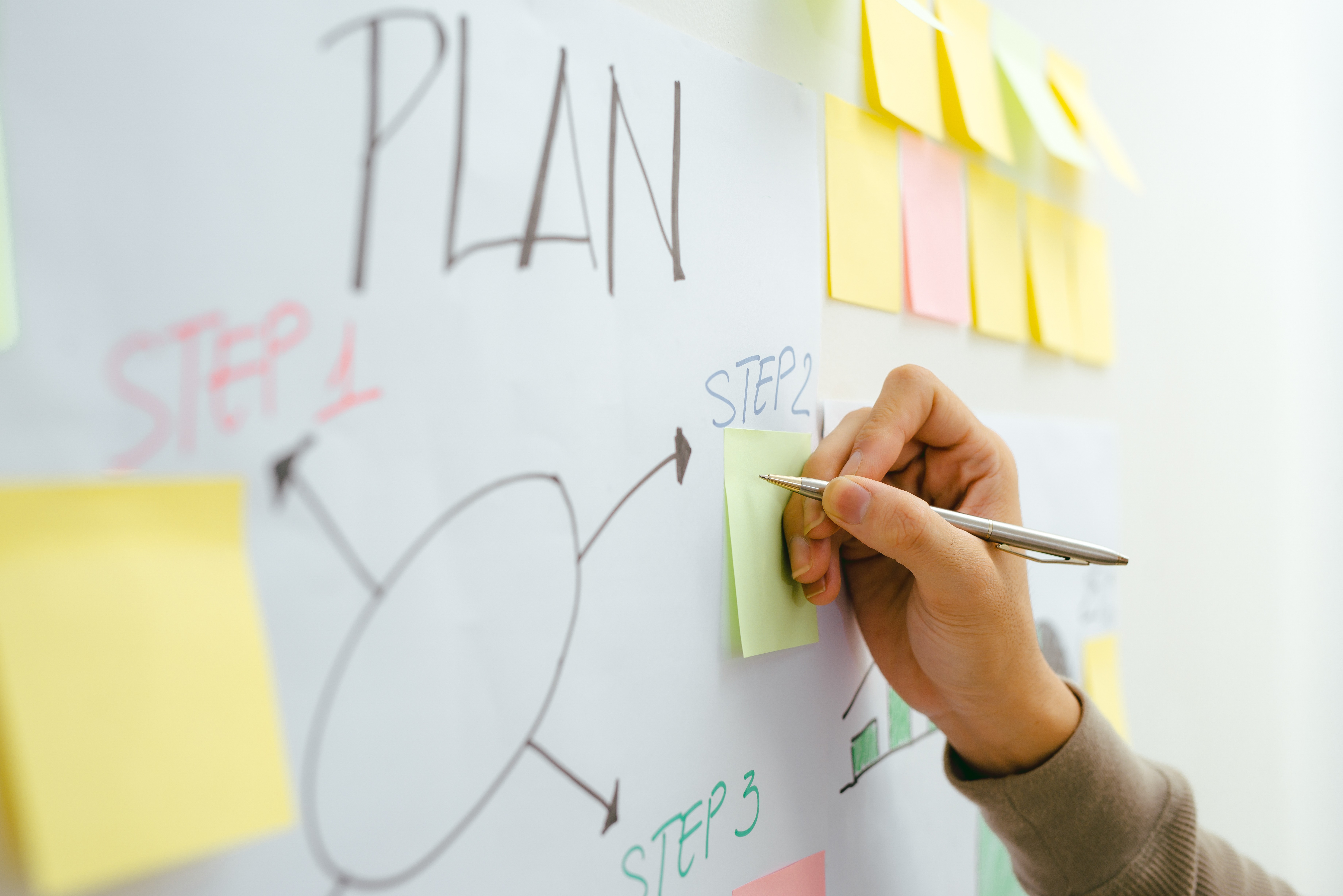
our approach
Accessibility at every stage of the process
For each project, we carry out extensive phases of research, analysis, and benchmarking on the topic, outline a strategy and guidelines, and implement tools, including AI, that help check and ensure accessibility.
Constant training is essential to know the best practices and keep up to date with regulatory developments, and to share with our team the knowledge gained.
Do you want to improve the accessibility of your touchpoints?
Discover how we can help you.